Älplermagronen: The Functional Engineering of Swiss Alpine Comfort Food
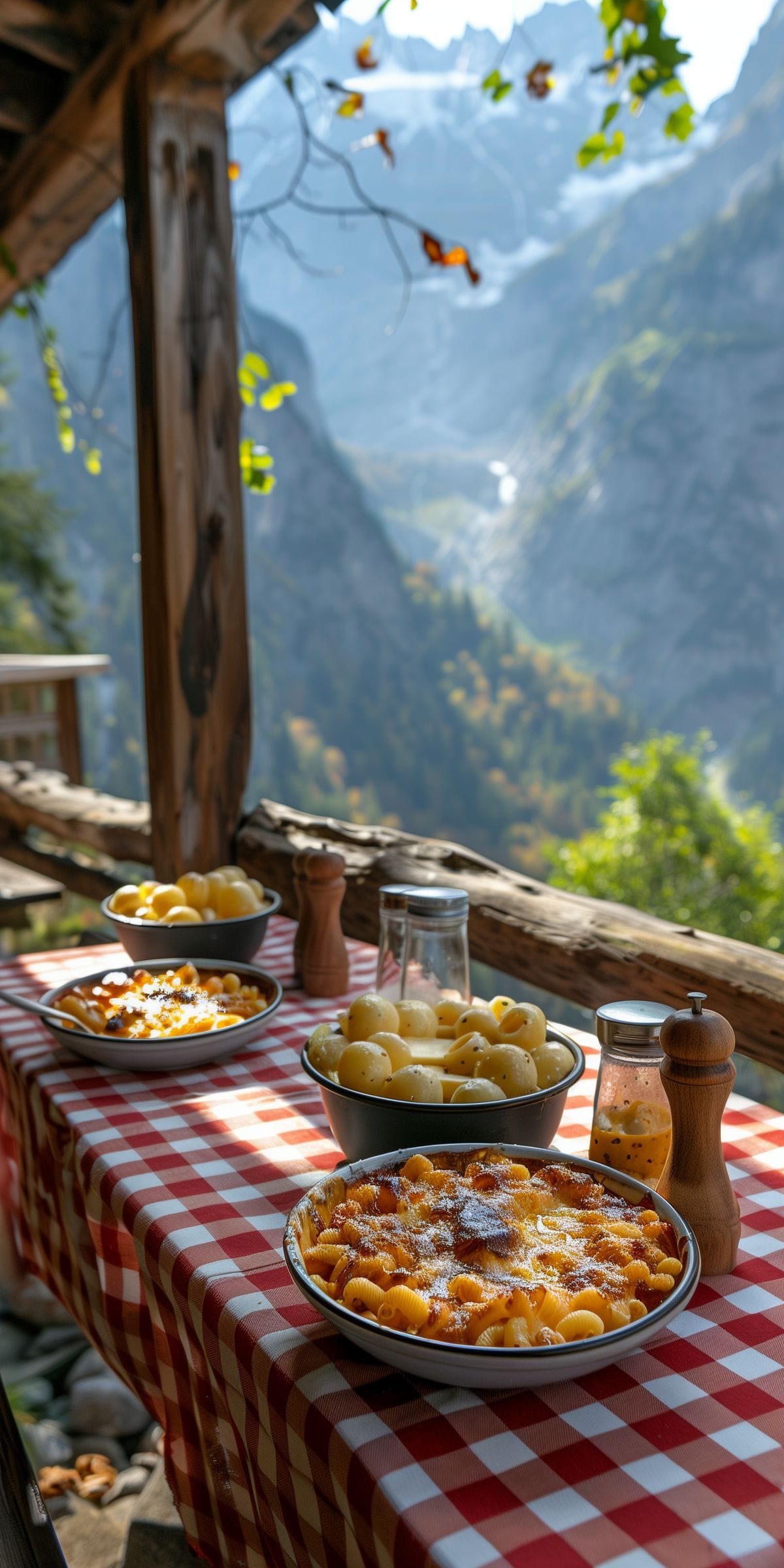
When we look at the breathtaking vistas of the Swiss Alps, we see more than just scenery; we see an environment that demanded a specific kind of innovation. Älplermagronen is the result of that demand—a robust, high-calorie "system" designed to fuel herdsmen through long days of physical labor.
The Design of a Mountain Classic
In engineering, we often seek the most efficient path to a robust result. Älplermagronen follows this principle by combining the "new" (pasta brought by Italian tunnel workers in the 19th century) with the "traditional" (potatoes, cream, and cheese from the mountain dairies).
- Starch Synergy: By combining macaroni and cubed potatoes, the dish creates a complex carbohydrate matrix that provides both immediate and sustained energy release.
- Structural Integrity: The use of a heavy, sharp Alpine cheese (like Appenzeller or Sbrinz) creates a cohesive sauce that binds the components together even under the rustic conditions of a mountain hut.
- The Acid-Base Balance: A key "design feature" of this meal is the traditional side of applesauce. The acidity of the apples cuts through the high-fat density of the cheese and cream, providing a necessary flavor equilibrium.
The "Mise en Place" for the Peaks
To replicate the authentic experience shown in the image, you need ingredients that stand up to the mountain air:
- The Carb Base: Equal parts penne or macaroni and firm-boiled potatoes.
- The "Glue": Heavy cream and a generous amount of aged Swiss cheese.
- The Mechanical Contrast: Crispy fried onions added at the final stage to provide a textural "crunch" against the soft pasta.
- The Catalyst: Homemade applesauce, served slightly chilled.
Lessons in Efficiency
As an innovator, I find the history of this dish particularly compelling. It wasn't created in a lab; it was iterated in the field. When pasta became cheaper and easier to transport than large quantities of flour, the herdsmen adapted their traditional potato-based meals to include it. It is a perfect example of adaptive design in culinary history.
Whether you're preparing for a hike in the Alps or a long day in the research lab, Älplermagronen remains a masterclass in how simple components can be engineered into something far greater than the sum of their parts.